


India’s Space-Tech Ecosystem Is Growing Beyond Rocket Launches
India’s space industry has long been recognized for its prowess in launching rockets, but the landscape is rapidly evolving. With the emergence of innovative startups and increased investment,...

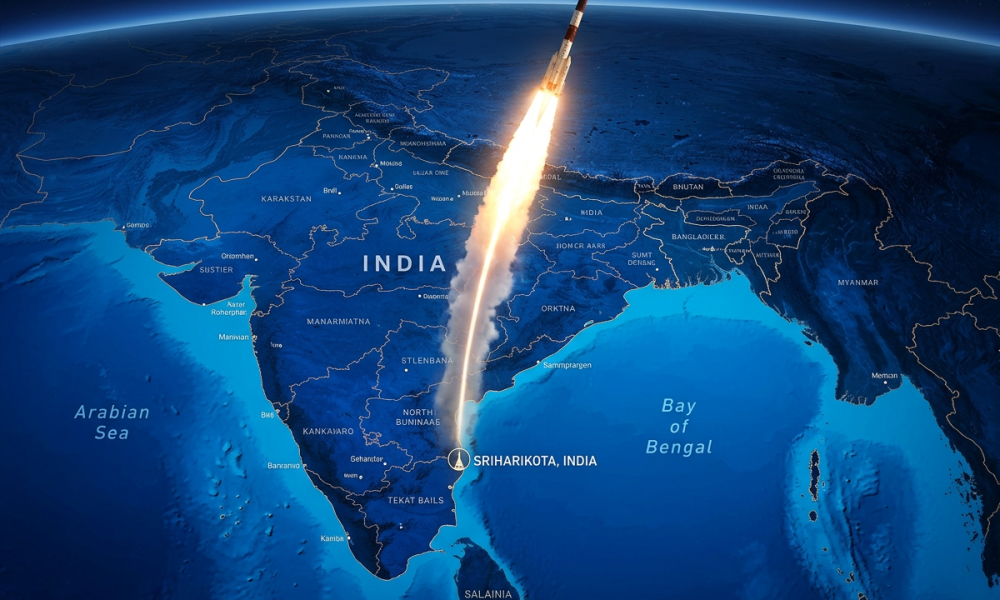
India’s space industry has long been recognized for its prowess in launching rockets, but the landscape is rapidly evolving. With the emergence of innovative startups and increased investment, the focus is shifting beyond mere rocket launches to a more comprehensive space-tech ecosystem. A notable example of this shift is the recent ₹17 crore investment in Bengaluru-based OXG Space by Skyroot Aerospace co-founders Pawan Kumar Chandana and Naga Bharath Daka, along with Aum Ventures. This investment not only highlights the potential of OXG Space but also exemplifies the expanding supply chain that supports India’s burgeoning space industry.
Table Of Content
The Rise of OXG Space
Founded in 2020, OXG Space is at the forefront of India’s growing space-tech movement. The company specializes in developing cutting-edge satellite technologies and services, aiming to enhance the capabilities of satellite-based applications in various sectors such as agriculture, urban planning, and disaster management. By leveraging advancements in artificial intelligence and machine learning, OXG Space is poised to create innovative solutions that address pressing challenges in both urban and rural contexts.
Innovative Solutions and Services
OXG Space’s product offerings include:
- Satellite Payloads: Custom-designed payloads that enhance satellite functionality.
- Data Analytics: Advanced analytics tools that convert raw satellite data into actionable insights.
- End-to-End Services: Comprehensive solutions that cover satellite design, launch, and operational support.
Such innovations are essential for a country like India, where the demand for reliable data and connectivity is growing. By focusing on satellite technology, OXG Space is helping to ensure that India remains competitive in the global space market.
The Expanding Space Startup Ecosystem
The investment in OXG Space is part of a larger trend in India’s space-tech sector. Over the past few years, there has been a significant increase in the number of startups entering the space industry. According to recent estimates, the Indian space startup ecosystem has seen over 100 startups emerge, each contributing uniquely to various aspects of space exploration and utilization.
Key Players in the Space-Tech Ecosystem
Several companies are making substantial contributions to the space-tech ecosystem:
- Skyroot Aerospace: Known for its innovative launch vehicles, Skyroot is focused on making space access more affordable and reliable.
- AgniKul Cosmos: This startup is developing customizable launch services that cater to small satellite missions.
- Pixxel: A satellite imaging company that aims to provide high-resolution images to various industries.
- SatSure: Specializes in providing satellite data analytics for agriculture and infrastructure planning.
These companies are not only competing on a national level but are also positioning themselves to capture a share of the international market. The synergy among these startups is fostering a collaborative environment where technology and knowledge can be shared, further driving innovation.
Investment Trends in Space-Tech
The influx of investment into the space-tech sector is a clear indicator of its growth potential. Investors are increasingly recognizing the strategic importance of space technology, leading to funding opportunities that were previously scarce. The ₹17 crore investment in OXG Space is just one example of how venture capital is being directed toward companies that promise to redefine space applications.
In addition to venture capital, government support plays a crucial role. The Indian government has initiated several programs aimed at boosting the space sector, such as:
- Start-up India: A flagship initiative to promote entrepreneurship and innovation.
- ISRO’s Public-Private Partnership: Encouraging private players to collaborate with ISRO for satellite launches and research.
These initiatives are creating an environment ripe for innovation, allowing startups to thrive and contribute significantly to the overall ecosystem.
Challenges and Opportunities
Despite the positive outlook, the Indian space-tech ecosystem faces several challenges:
- Regulatory Hurdles: Navigating the regulatory landscape can be complex for startups.
- Access to Capital: While investment is increasing, many startups still face difficulties in securing necessary funding.
- Talent Acquisition: There is a growing demand for skilled professionals in the space sector, leading to competition among companies for top talent.
However, these challenges also present opportunities. For instance, as the regulatory landscape evolves, startups that can navigate these complexities may find themselves at a competitive advantage. Additionally, the increasing focus on space technology means that educational institutions are likely to enhance their programs, producing more skilled professionals for the industry.
The Future of India’s Space-Tech Ecosystem
As India continues to invest in its space capabilities, the future looks promising for the space-tech ecosystem. Companies like OXG Space are not just participating in this growth; they are leading the charge. The broader supply chain encompassing satellite manufacturing, launch services, and data analytics is becoming more sophisticated, paving the way for advancements that could redefine how space technology is utilized.
Moreover, with increasing collaboration between private and public sectors, India is well-positioned to become a global leader in space technology and innovation. The emphasis on developing indigenous solutions will not only enhance national capabilities but also provide opportunities for international partnerships.
Conclusion
India’s space-tech ecosystem is maturing, transitioning from a focus solely on rocket launches to a comprehensive network of companies contributing to various aspects of space technology. The investment in OXG Space underscores the potential of this sector and serves as a catalyst for further growth. As startups continue to innovate and expand their offerings, the future of India’s space industry looks bright, promising breakthroughs that will have far-reaching implications across numerous sectors.