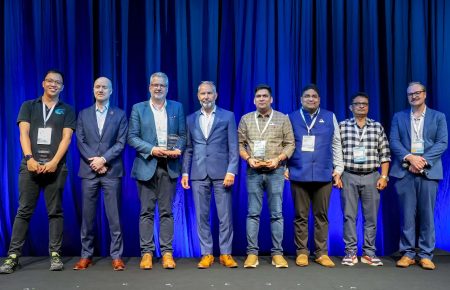


Saicon Introduces ForgeAI: Bringing Agentic AI to Manufacturing Operations
5. Saicon Introduces ForgeAI: Bringing Agentic AI to Manufacturing Operations In an era where technology is reshaping industries, Saicon has made a significant leap by introducing ForgeAI, a...


5. Saicon Introduces ForgeAI: Bringing Agentic AI to Manufacturing Operations
In an era where technology is reshaping industries, Saicon has made a significant leap by introducing ForgeAI, a cutting-edge solution designed to revolutionize manufacturing operations. This innovative platform harnesses the power of agentic AI, which mimics cognitive functions and decision-making processes, to enhance efficiency, productivity, and adaptability in manufacturing settings.
Table Of Content
- Understanding Agentic AI
- Key Features of ForgeAI
- Benefits of Implementing ForgeAI in Manufacturing
- 1. Enhanced Productivity
- 2. Cost Reduction
- 3. Improved Quality Control
- 4. Increased Flexibility
- 5. Data-Driven Decision Making
- Real-World Applications of ForgeAI
- Case Study: Automotive Manufacturing
- Case Study: Electronics Production
- Challenges and Considerations
- 1. Initial Investment
- 2. Change Management
- 3. Data Security
- Conclusion: The Future of Manufacturing with ForgeAI
Understanding Agentic AI
Agentic AI refers to artificial intelligence systems that can act autonomously and make decisions based on complex data analysis. Unlike traditional AI, which often operates within predefined parameters, agentic AI can learn from its environment and adapt its strategies accordingly. This capability is particularly beneficial in manufacturing, where flexibility and responsiveness to changing conditions can significantly impact operational success.
Key Features of ForgeAI
- Real-time Data Processing: ForgeAI processes vast amounts of data in real-time, enabling manufacturers to gain immediate insights into their operations.
- Predictive Analytics: By utilizing historical data, ForgeAI can predict equipment failures, optimize maintenance schedules, and improve overall machine uptime.
- Autonomous Decision-Making: The AI can autonomously make decisions, such as adjusting production lines based on demand fluctuations, without human intervention.
- Integration with Existing Systems: ForgeAI seamlessly integrates with existing manufacturing systems, ensuring a smooth transition and minimal disruption.
Benefits of Implementing ForgeAI in Manufacturing
The introduction of ForgeAI into manufacturing operations brings a multitude of benefits that can lead to substantial improvements in efficiency and cost-effectiveness.
1. Enhanced Productivity
With the ability to analyze data and make autonomous decisions, ForgeAI can optimize production processes, reducing downtime and increasing output. For instance, if a machine is underperforming, ForgeAI can identify the issue and adjust operational parameters to maximize efficiency.
2. Cost Reduction
By predicting equipment failures and optimizing maintenance schedules, ForgeAI helps manufacturers avoid costly breakdowns and unscheduled downtimes. This proactive approach can lead to significant savings on both repair costs and lost production time.
3. Improved Quality Control
ForgeAI’s real-time monitoring capabilities enable manufacturers to maintain high-quality standards. By continuously analyzing production data, the AI can detect anomalies and ensure that products meet quality specifications before they reach the market.
4. Increased Flexibility
The manufacturing landscape is constantly evolving, with consumer demands changing rapidly. ForgeAI equips manufacturers with the tools to adapt to these changes swiftly, allowing for quick adjustments in production lines and processes.
5. Data-Driven Decision Making
The insights generated by ForgeAI empower managers to make informed decisions based on comprehensive data analysis rather than gut feelings or outdated information. This data-driven approach enhances strategic planning and operational effectiveness.
Real-World Applications of ForgeAI
Several companies across different sectors have begun to implement ForgeAI, showcasing the versatility and effectiveness of this innovative technology.
Case Study: Automotive Manufacturing
In the automotive industry, a leading manufacturer integrated ForgeAI into their production line. By leveraging the AI’s predictive analytics capabilities, they were able to reduce their machine downtime by 30%. Additionally, the AI’s ability to adapt to real-time data allowed them to increase their production capacity without compromising quality.
Case Study: Electronics Production
A prominent electronics manufacturer utilized ForgeAI to streamline their assembly processes. With the AI autonomously adjusting production parameters based on real-time demand, they achieved a 25% reduction in waste and a significant increase in product consistency. This adaptability not only improved their bottom line but also enhanced customer satisfaction.
Challenges and Considerations
While the benefits of implementing ForgeAI are substantial, manufacturers should also be aware of potential challenges when transitioning to this advanced technology.
1. Initial Investment
Integrating ForgeAI may require a significant upfront investment in technology and training. Manufacturers need to assess their budget and consider the long-term return on investment that ForgeAI can bring.
2. Change Management
Transitioning to an agentic AI system necessitates a cultural shift within the organization. Employees may need to adapt to new workflows and processes, which can lead to resistance. Effective change management strategies are essential to ensure a smooth transition.
3. Data Security
With the increased reliance on data, manufacturers must prioritize cybersecurity measures to protect sensitive operational information. Implementing ForgeAI requires robust data security protocols to prevent breaches and ensure compliance with regulations.
Conclusion: The Future of Manufacturing with ForgeAI
Saicon’s ForgeAI represents a pivotal advancement in the manufacturing sector, providing companies with the tools necessary to enhance efficiency, reduce costs, and improve product quality. As the industry continues to evolve, the integration of agentic AI will likely become a standard practice, enabling manufacturers to remain competitive in a rapidly changing landscape. By embracing this technology, manufacturers can not only streamline their operations but also pave the way for future innovations.