




How Global VPs of People Maintain Executive Alignment Across Timezones
Hybrid is no longer an experiment. It is the default operating system. In Q1 2025, 75% of companies reported a hybrid workforce, 18% fully in office, and 7% fully remote. At the same time, 44% of...

Hybrid is no longer an experiment. It is the default operating system.
Table Of Content
In Q1 2025, 75% of companies reported a hybrid workforce, 18% fully in office, and 7% fully remote. At the same time, 44% of organizations are increasing international hiring, which means more people are working together across more time zones. The question for VPs of People is no longer where people work. It is how alignment survives when no one shares the same 9 to 5.
The best global People leaders have stopped treating distribution as a constraint and started treating it as organizational architecture.
The Real Problem Is Not Distance. It Is Drift.
Remote teams fail for the same reason co-located teams fail: unclear work design. The winning formula is not where people work, but how clearly work is designed.
In hybrid, culture does not diffuse through the office. Researchers suggest three strategies for driving connectedness among hybrid and far-flung workers, starting with shifting from diffusing culture through the office to diffusing it through the work itself.
That shift requires intentional choices. When remote absolutely works, it is because leaders changed communication as the team grew global, unified multiple collaboration tools, changed what they looked for when hiring, and started measuring impact instead of a person’s presence.
For executive teams, drift shows up fast: decisions made in a hallway in Berlin that the team in Singapore learns about 12 hours later, OKRs that mean different things in different regions, and the slow erosion where less-visible teammates do not feel seen and are more likely to feel left out.
Principle 1: Async First, Sync With Purpose
Global VPs of People are implementing an operating model for 2026: Asynchronous leadership does not eliminate live interaction. It sequences it more intelligently.
Best-in-class stacks are boring and consistent:
- Asynchronous tools: Slack for quick coordination, shared documents like Google Docs and Confluence for decisions, and project boards like Jira and Trello for ongoing alignment.
- Written alignment over verbal recall: With limited opportunities for verbal communication across time zones, distributed teams need to rely on written and video records to obtain information. The most effective ritual is a weekly written alignment memo shared across regions.
- Respectful scheduling: Encourage team members to log off at a specific time and not log in after hours, and schedule messages and announcements for when a person is online rather than sending them on a whim in real time, especially across time zones.
This creates what successful global teams call a global identity: clearly communicate the company mission and values so distributed teams feel part of one culture, not many local cultures orbiting HQ.
Principle 2: Intentional Overlap, Not Constant Overlap
The old model tried to stretch everyone to cover everyone. It burns people out.
Companies like Zapier and Automattic use a method of setting predictable overlap windows instead of requiring full-day alignment. The result is smoother communication and greater flexibility.
Top People teams codify it:
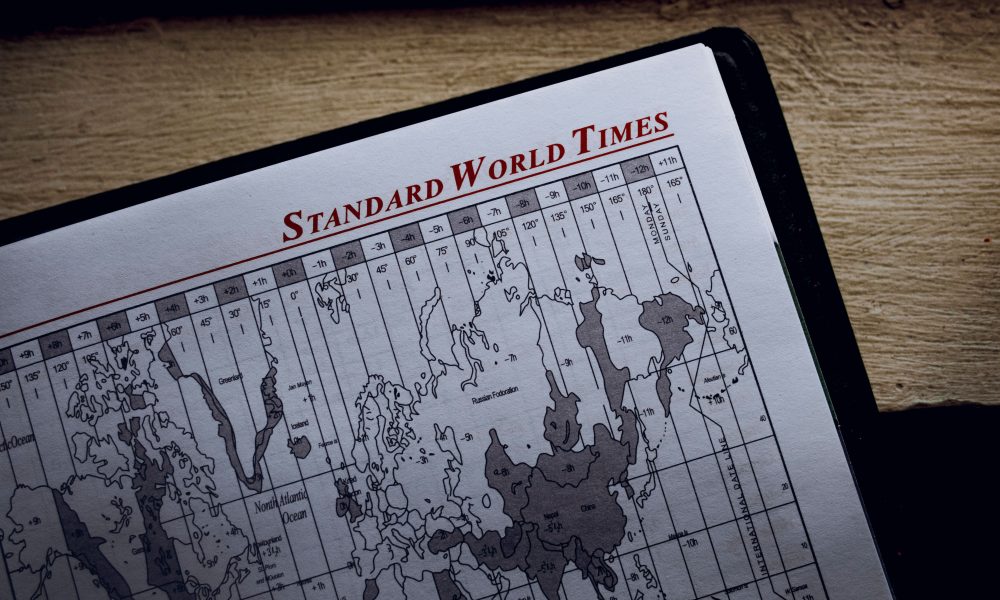
1. Visible hours and location. Make everyone’s location and working hours visible. This prevents accidental scheduling conflicts and reinforces empathy across regions. Using UTC eliminates confusion and ensures clarity when teams operate across multiple regions.
2. Reasonable overlaps as a standard. Reasonable overlap is one of the best practices for managing remote workers in different time zones. For example, a 3-hour core overlap between AMER and EMEA, and a separate 3-hour overlap between EMEA and APAC, with one executive bridging day.
3. No-meeting windows. If you have overlap hours, protect the rest for deep work. Async work is best for global companies because it fosters a global, productive culture that empowers teams, but only if you actually protect focus time.
Principle 3: Culture Through Work, Not Perks
In a hybrid world, culture is not what you post on the wall. It is how work gets done.
Lean on tools that amplify connection. Tools like Teams and Slack can bring culture to life through shared stories, recognition, and even lighthearted moments like pet photos or coffee chats.
But tools alone do not build culture. Global VPs of People anchor it in three habits:
Define and model values in workflows. Make sure to define your company values, model behavior from the top down, prioritize connection, and empower your hybrid employees with autonomy and flexibility. If one value is transparency, show it in how decisions are documented, not just talked about.
Create space for conversations. Working across time zones makes it even easier to overlook less-visible teammates. Intentional rituals like peer feedback partners, onboarding rituals, and a co-authored hybrid handbook have been shown to restore alignment and increase client satisfaction, while improving retention and communication scores.
Promote remote culture deliberately. Encourage inclusivity, recognition, and shared values to unite your distributed team. This includes time zone alignment strategies for real-time communication, but also async recognition, global all-hands recorded with chapters, and local culture champions.
Principle 4: The Executive Alignment System
This is where most hybrid cultures break. ICs adapt. Executives do not.
Remote for execution plus hybrid for collaboration plus in-person for alignment is the formula top leadership teams now use. Remote equals efficiency, hybrid equals balance, in-person equals alignment.
For VPs of People supporting the executive team, that translates into a concrete system:
1. The Three-Tier Cadence
- Weekly async: One written memo from CEO or COO on priorities, decisions, and what is not a priority. No meeting needed.
- Bi-weekly sync: 60-minute executive overlap meeting, rotating time to share pain. Same agenda: metrics, blockers, cross-regional decisions.
- Quarterly in-person: One week per quarter together for strategy, talent reviews, and trust building. Not for status updates.
2. Decision Logs Over Meeting Notes
Every major decision logged in a shared doc: context, options, decision, owner, and communication plan. This stops re-litigation across time zones.
3. Ownership, Not Presence
Shift performance management from presence to impact. When teams measure impact instead of presence, time zones become a feature, not a bug. You get follow-the-sun progress.
4. Inclusive Leadership Norms
Leaders must master clear, concise, and consistent communication across multiple channels and time zones. That includes ensuring remote members are as included, consulted, and involved as those in the office. Simple tactics: round-robin in meetings, camera-optional but agenda-mandatory, and always assign a facilitator to bring in the quiet regions first.
A 30-60-90 Playbook for VPs of People
First 30 days: Make the invisible visible.
Audit your collaboration stack, time zone spread, and meeting load. Map where decisions are actually made. Publish working hours, core overlap windows, and a single source of truth for async updates.
Next 30 days: Codify how you work.
Co-create a hybrid handbook with your exec team. Include async-first norms, meeting principles, decision rights, and cultural rituals. Train managers on leading distributed teams at scale: intentional communication, prioritizing outcomes, and investing in team culture.
Last 30 days: Scale what connects.
Launch weekly written alignment, monthly virtual culture moments that work async, and quarterly executive alignment weeks. Measure alignment not with eNPS alone, but with decision velocity, time-to-resolution across regions, and participation equity in meetings.
Scaling remote and hybrid cultures is not about bringing everyone back or letting everyone work from anywhere without guardrails. It is about designing a system where leadership creates connection, alignment, and purpose across time zones.
Because culture does not survive on good intentions and good WiFi. It survives on clear work design, respectful time zone practices, and executives who model alignment in how they write, meet, and decide.
That is how global People leaders turn distance into durability.